These three mammals behave differently, so a good safari looks for different signs and gives every animal space. Sightings depend on natural conditions.
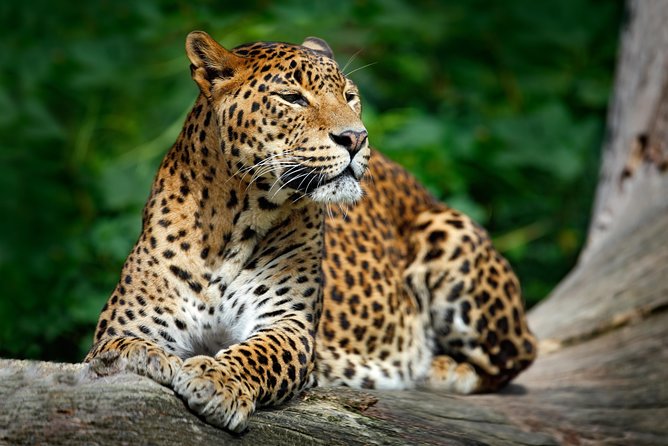
How do you look for a leopard?
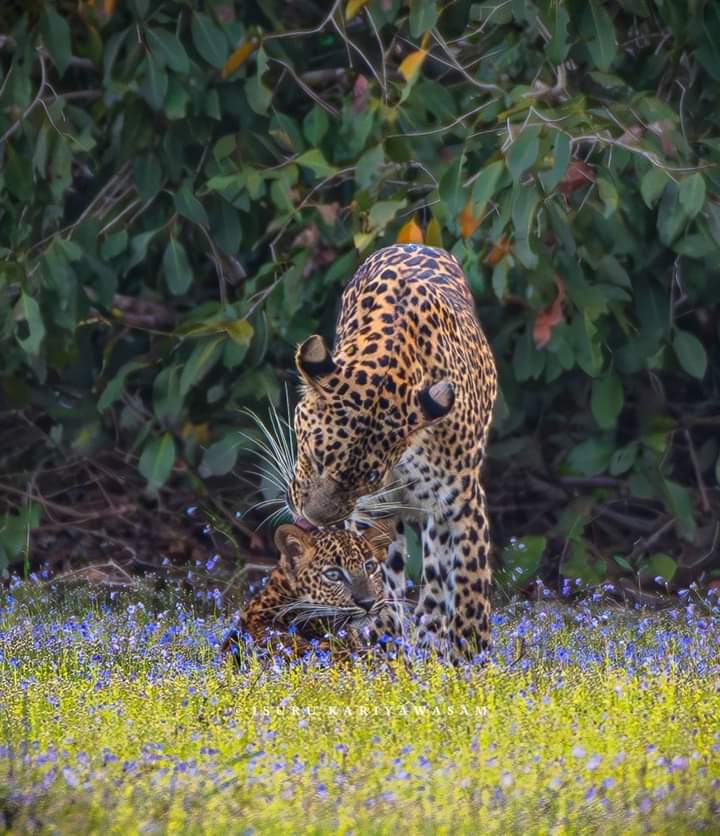
Scan shaded ground and branches as well as the track ahead. Your guide may notice alarm calls or tracks, but neither promises a sighting. If a leopard appears, stay quiet, keep seated and let the guide choose where to stop.
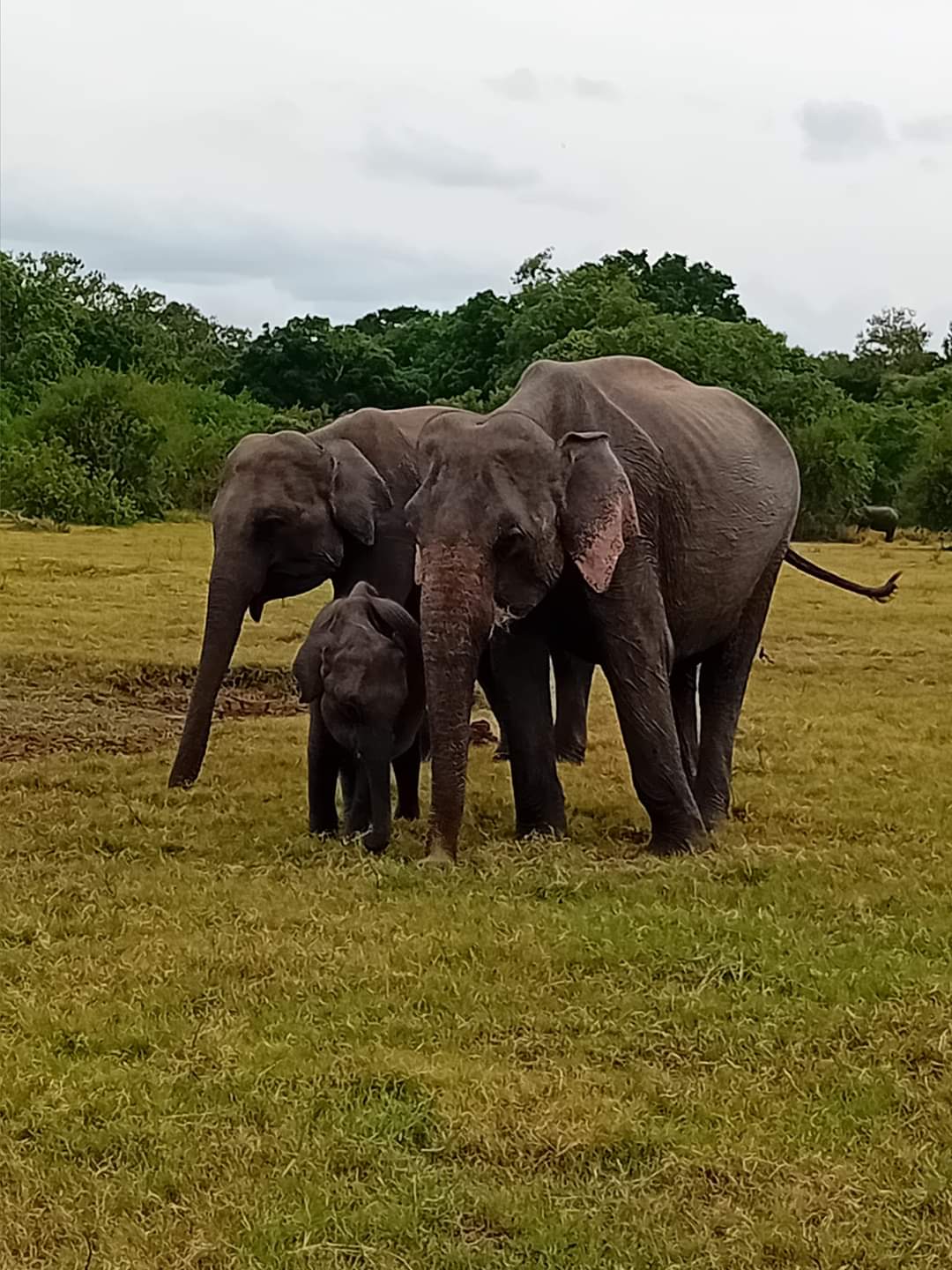
What should I know about elephants?
Elephants may be feeding or crossing, and a stationary vehicle with ample room is often the best way to watch. Let the driver decide when to wait or move away. Never ask to get between animals or cut off their route.
What makes sloth bears different?
Sloth bears are often hard to see and can disappear into cover quickly. Watch quietly if one is foraging. A guide can explain clues such as disturbed ground and why an animal might be looking for insects or seasonal food.
How do I plan a drive around behaviour?
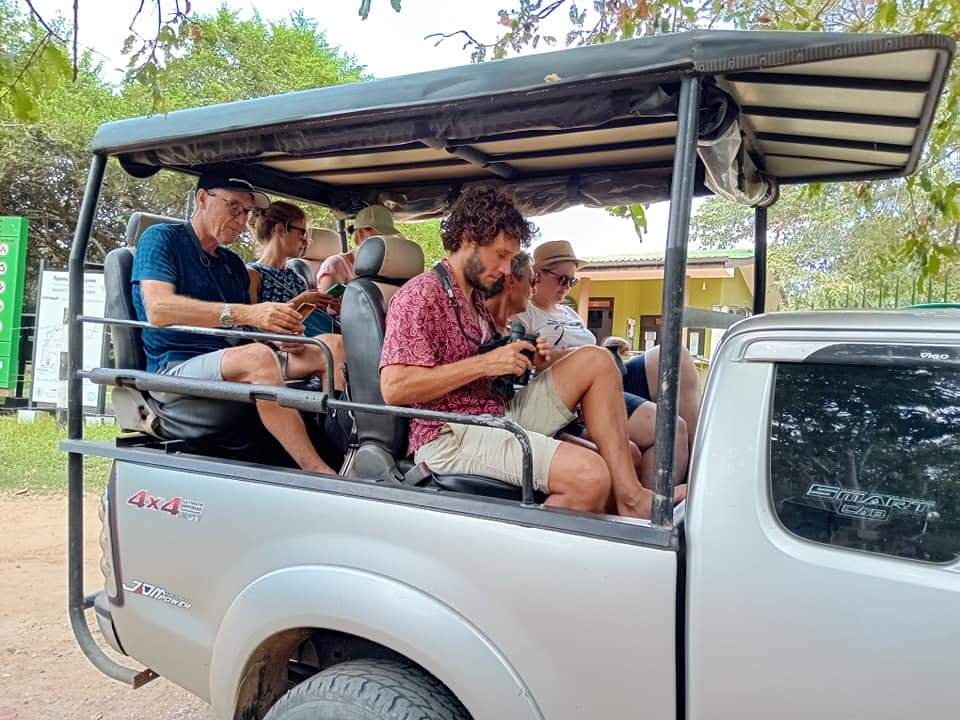
Ask Wild Wadi for a naturalist-led drive and mention your interests in advance. Bring binoculars and allow for quiet stretches. A drive that pays attention to behaviour can be rewarding even when some of your target species stay out of sight.
Further reading: Sri Lanka Tourism →